Format reference · Brother compatible

PES Embroidery File Format Guide

PES is the primary embroidery format for Brother and Babylock machines. It stores stitch coordinates, color sequences, and design metadata. Understanding PES version compatibility helps avoid transfer errors and ensures your machine reads the file correctly.

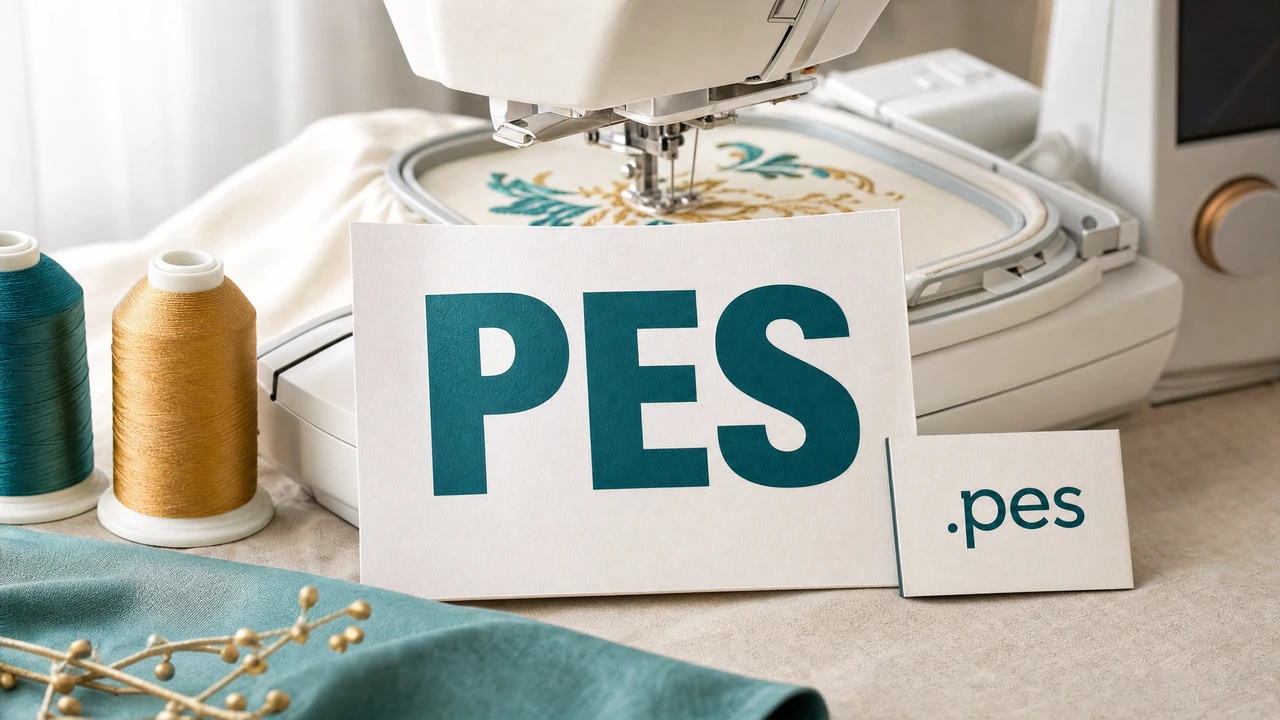
PES embroidery file format reference and compatibility overview
PES format reference and compatibility overview in StitchPilot.ai.

Working with PES files

01

Identify your machine version

Brother machines span multiple PES versions (v1 through v6+). Older machines may only accept early versions. Check your machine manual or Brother's support site to confirm which PES version your model supports before converting.

02

Note stitch and color limits

PES files have design-size limits and color-sequence caps that vary by version and machine model. Keep stitch count within your machine's documented maximum and avoid exceeding the supported number of color changes.

03

Convert artwork to PES

Use StitchPilot.ai to convert PNG, JPG, SVG, WebP, or logo artwork into PES format with AI-assisted digitizing. Review the stitch preview before downloading to catch issues early.

04

Test before final production

Load the PES file on your machine, run a preview check on the display, and perform a test stitch on scrap fabric before committing to your final material. Stitch density and thread tension affect the finished result.

About PES

Brother's primary embroidery format

PES was developed by Brother Industries for their PE software ecosystem. Multiple versions exist, with newer machines supporting richer metadata and larger design areas. Always verify version compatibility before transferring files to older machines.

  • Supported by Brother PE, SE, NV, and Luminaire series
  • Stores stitch data, color sequences, and design metadata
  • Multiple versions — confirm compatibility with your model
  • Also used by Babylock machines (same format family)

Software & compatibility

Widely supported across tools

Most major embroidery software packages support PES import and export, including Hatch, SewArt, Embrilliance, and BES. Third-party services and online embroidery shops routinely accept PES files.

  • Compatible with most consumer embroidery software
  • Accepted by most online digitizing and embroidery services
  • FAT32 USB drive recommended for machine transfer
  • Avoid special characters in filenames for best compatibility

PES format — common questions

What does PES stand for?

PES is a proprietary embroidery format developed by Brother Industries. The name is associated with Brother's PE (Personal Embroidery) software ecosystem.

Which Brother machines support PES?

Most modern Brother embroidery machines support PES, including the PE, SE, NV, NS, Dreamweaver, and Luminaire series. Version support varies by model — check your machine documentation for the specific PES version required.

What are the stitch and color limits in PES?

PES files have practical limits on stitch count, color changes, and design area size. These vary by machine model and firmware version. Check your machine manual for exact specifications before planning a complex design.

Can I convert a photo or logo to PES?

Yes. StitchPilot.ai can convert image files such as PNG, JPG, SVG, and WebP into PES format using AI-assisted digitizing. Review the stitch preview before downloading.

Why does my PES file show an error on my machine?

Common causes include a PES version mismatch, stitch count exceeding machine limits, or filename encoding issues. Try re-exporting at a compatible version or simplifying the design.
Ready to get started?

Convert your artwork to PES with StitchPilot.ai

Upload a PNG, JPG, SVG, or WebP file, review the AI-assisted stitch preview, and export a PES file ready for your Brother-compatible embroidery machine.

Start converting →